When to dig soil — and when it's better not to
In breve: Traditional fall digging of garden beds destroys the earthworm and microorganism network you've been building for entire seasons. The no-dig method — compost without digging — often gives better results.
To dig or not to dig — that is the question
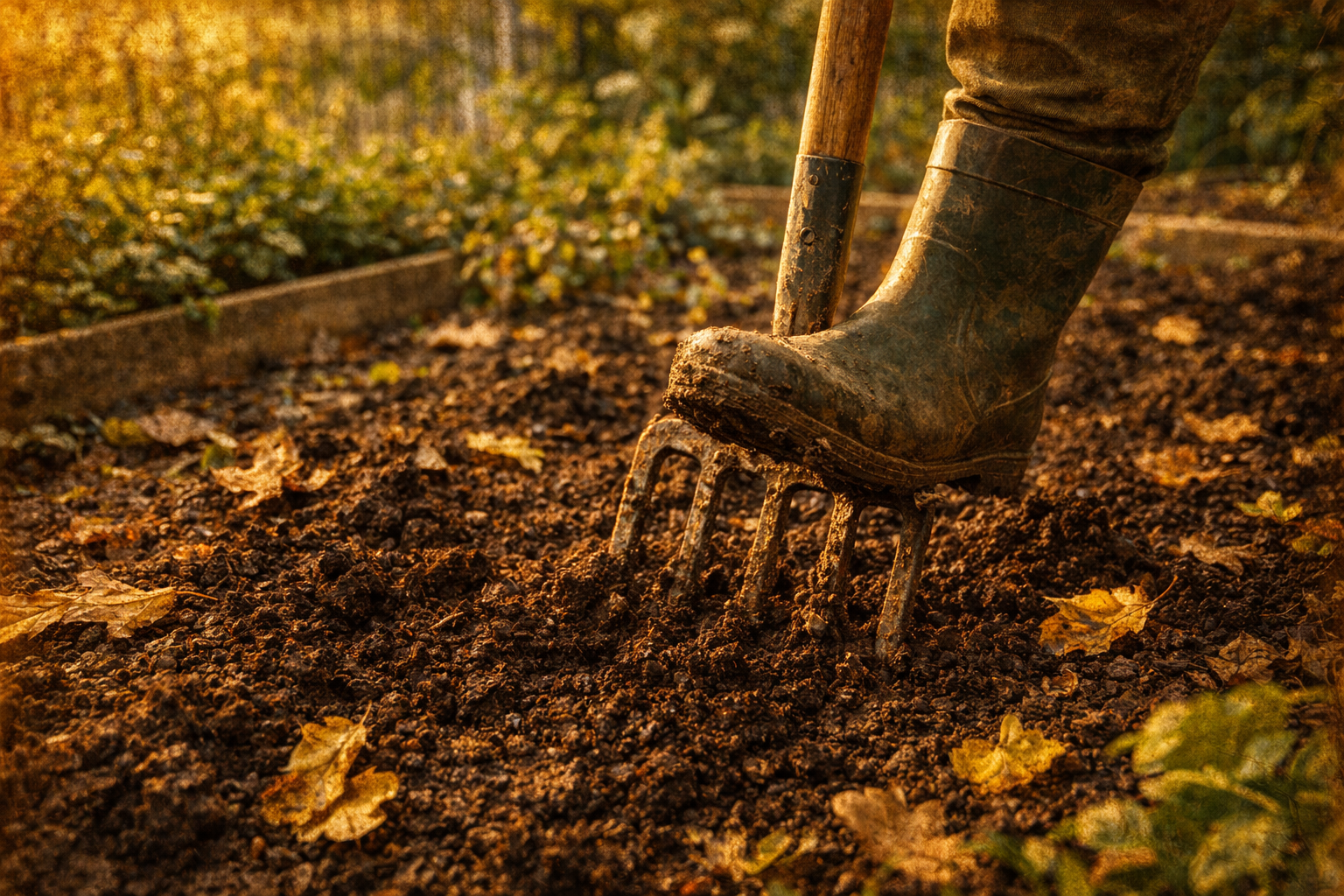
For years, every fall and spring I would dig up all my garden beds. Because that's what grandma did. Because that's what the old guides said.
Newer gardening knowledge questions this automatism — and for good reasons.
When digging makes sense:
- You're establishing a new bed on uncultivated land
- Soil very compacted after construction season or heavy equipment
- Problem with wireworms — digging exposes them to birds
- Deep mixing of large amounts of compost with soil
When it's better to skip it:
- The bed is already functioning well — no reason to destroy the structure
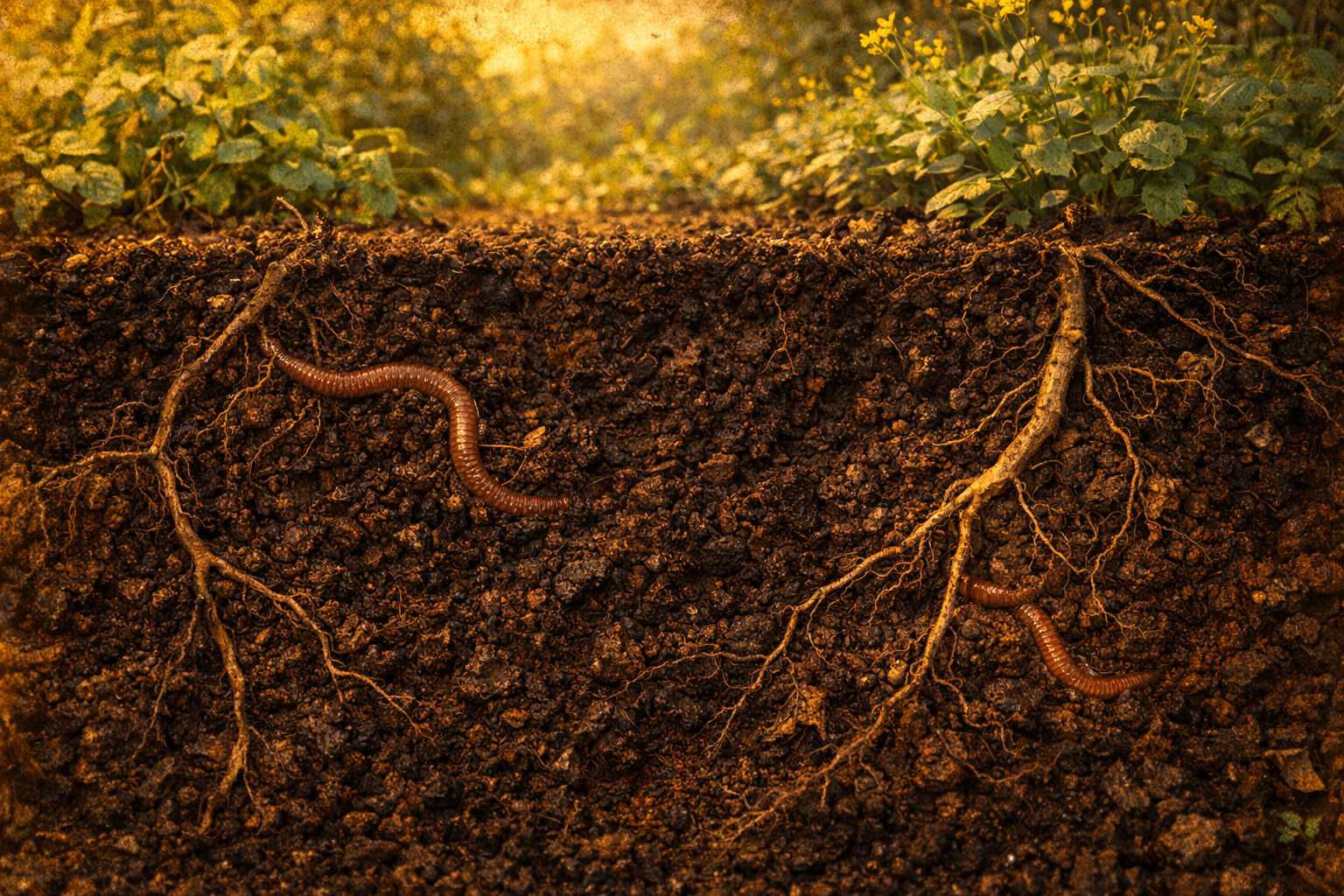
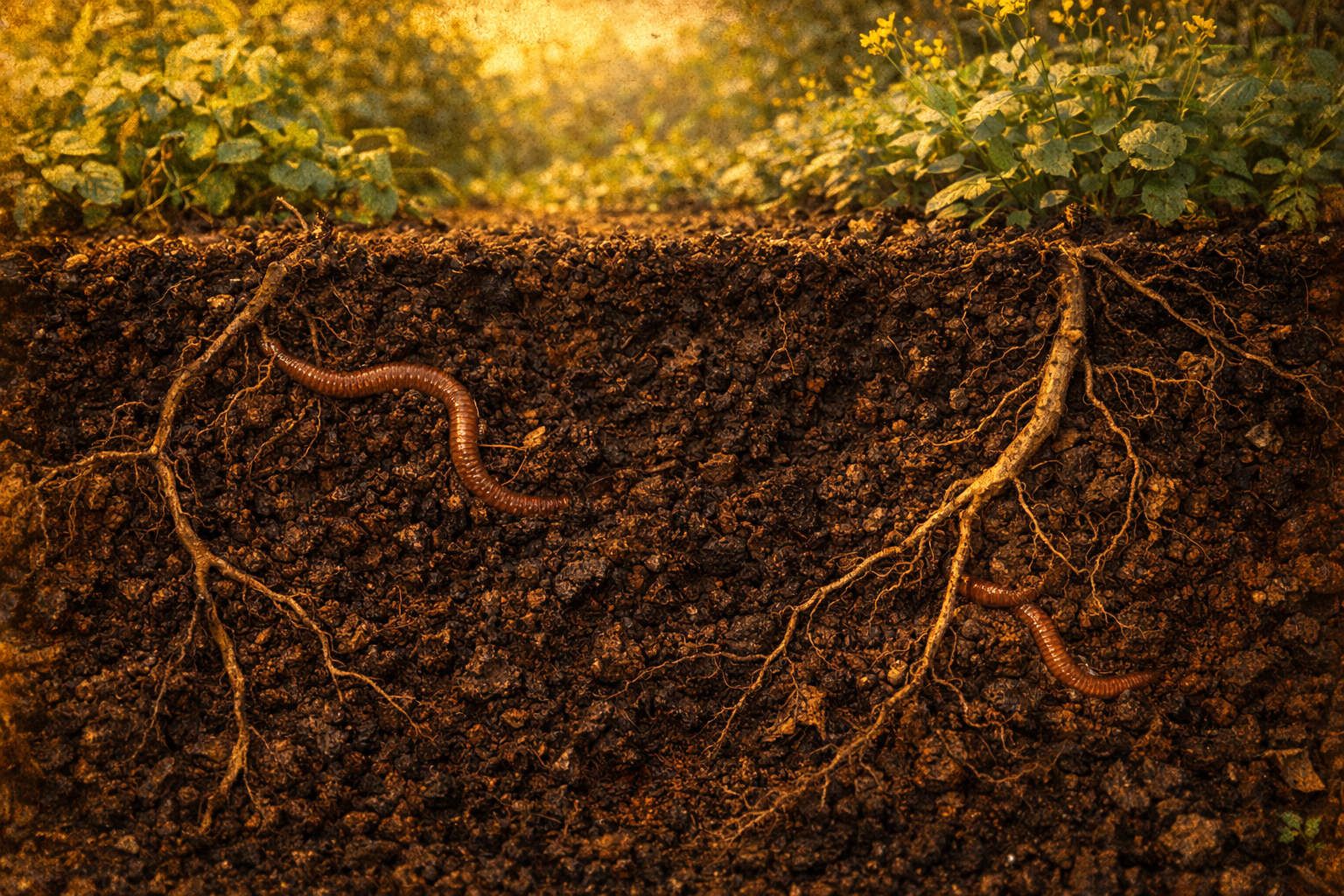
- You have lots of earthworms — digging physically destroys their networks and microorganisms
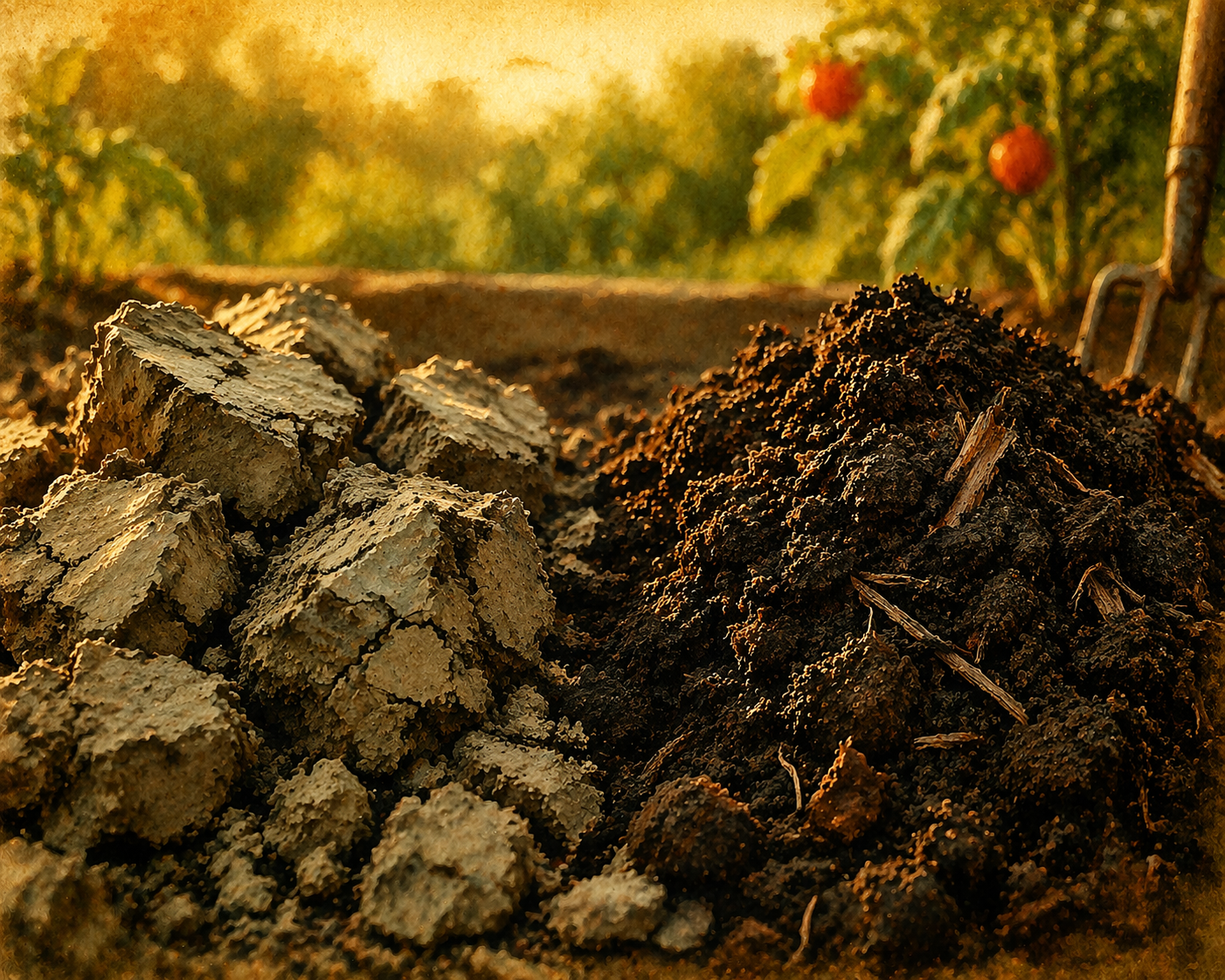
- The soil is wet — digging wet soil destroys its structure for the entire season
No-dig method in practice:
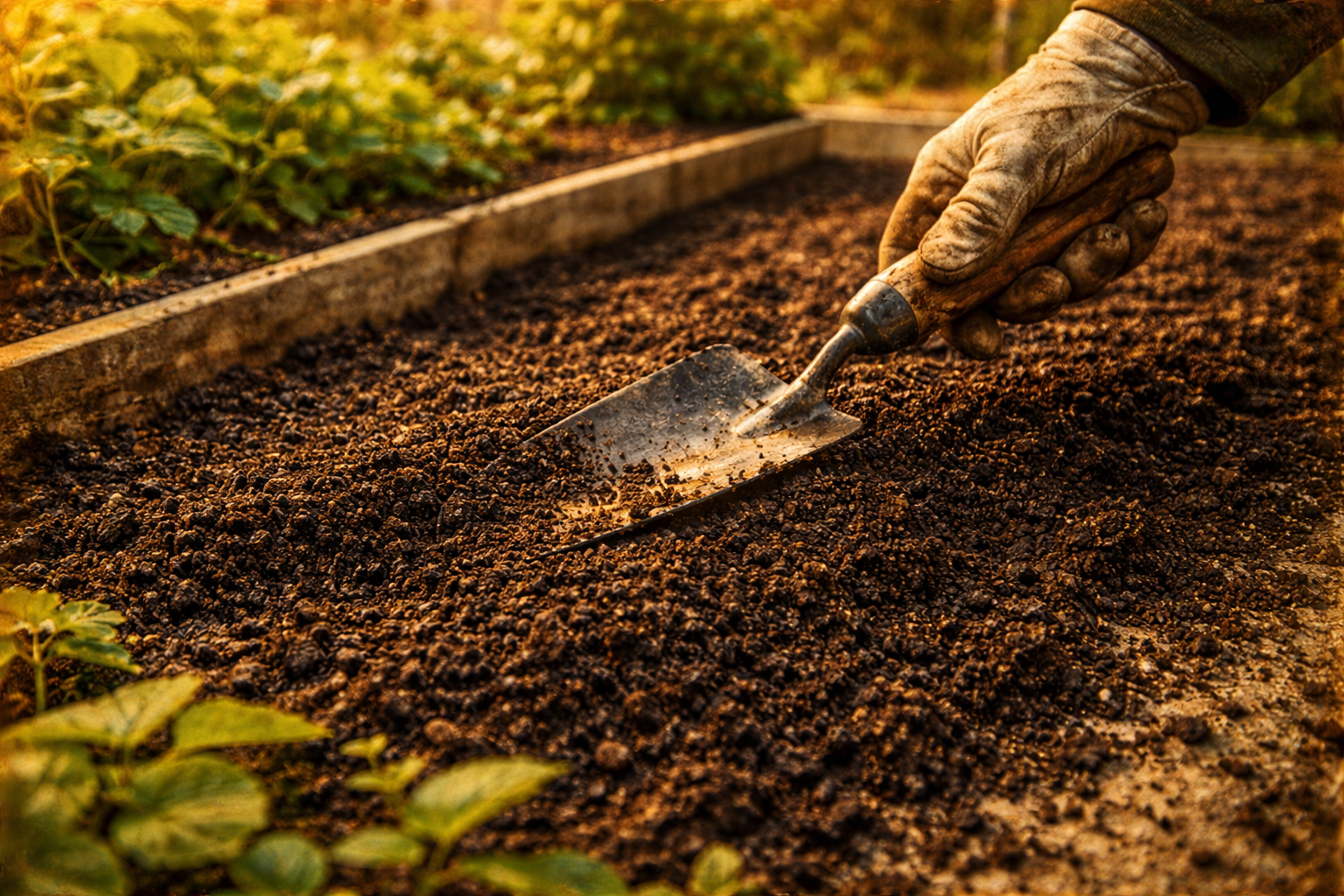
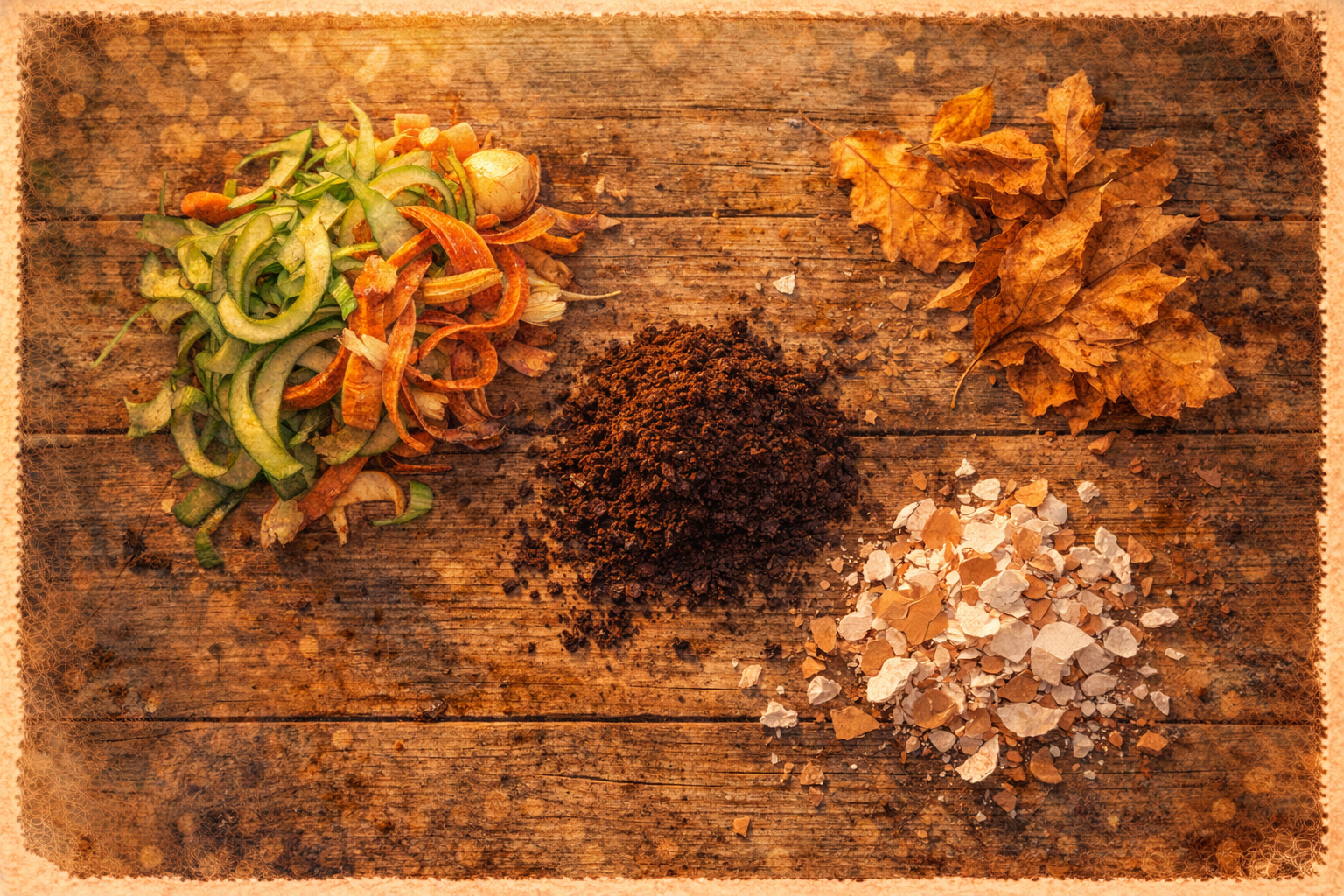
Apply a 5–10 cm layer of compost on the bed surface without any digging. Earthworms pull the organic matter deep down. The soil gradually improves, the biological network remains intact.My current approach:
I only dig new beds or when I have a specific problem. Established vegetable beds get only a layer of compost on top.zielnamanufaktura.pl
Galleria fotografica 3