How to Test Soil pH Using Household Methods
In short: Vinegar and baking soda make a simple home soil pH test. In 5 minutes you know if your soil is acidic, alkaline or neutral — and whether you even need to buy a more expensive test from the store.
Soil pH — Kitchen Test
Most vegetables grow optimally at pH 6–7. Below 5.5, plants cannot absorb nutrients even if they are present in the soil — like locked doors to the pantry.
Home test — how to perform:
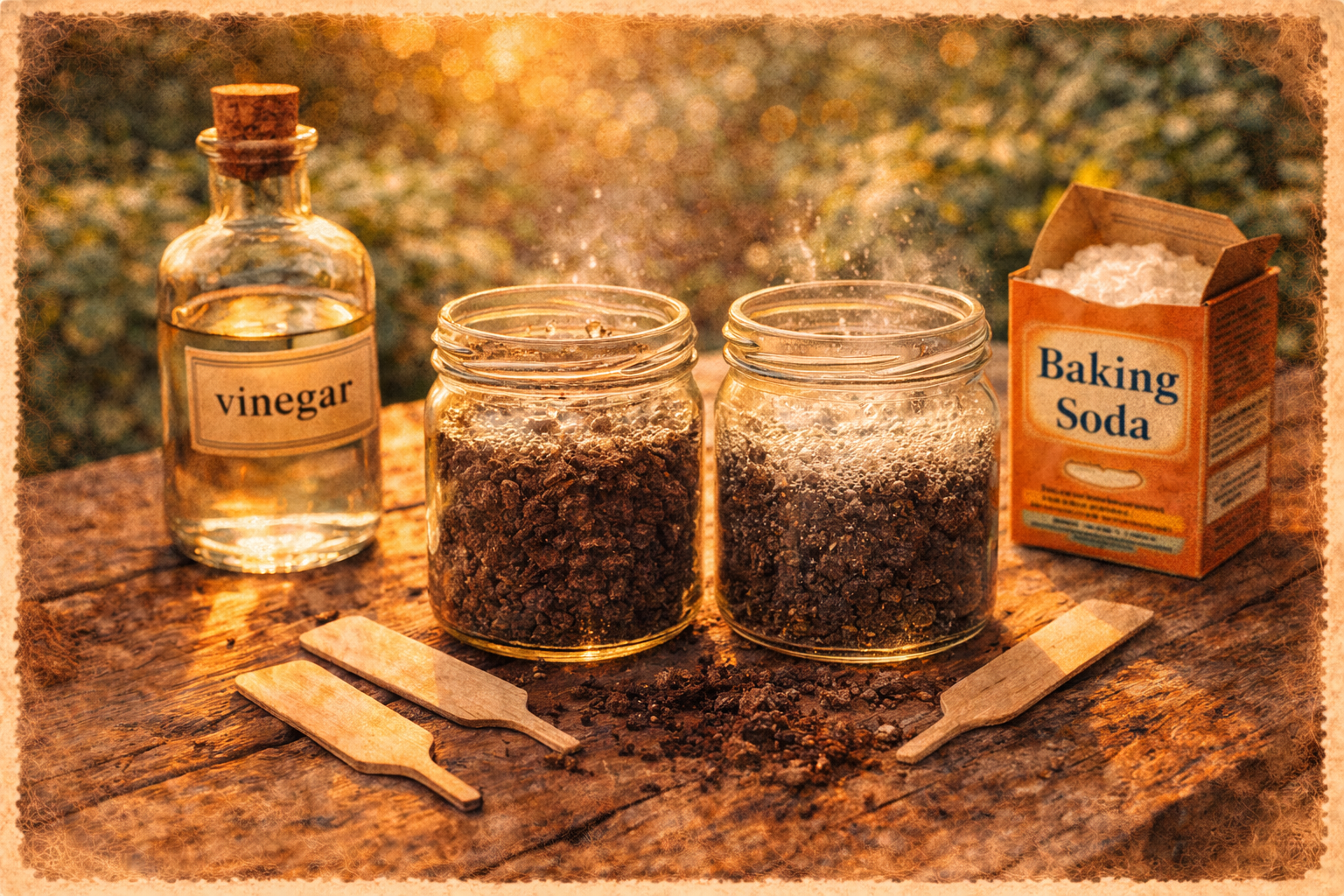
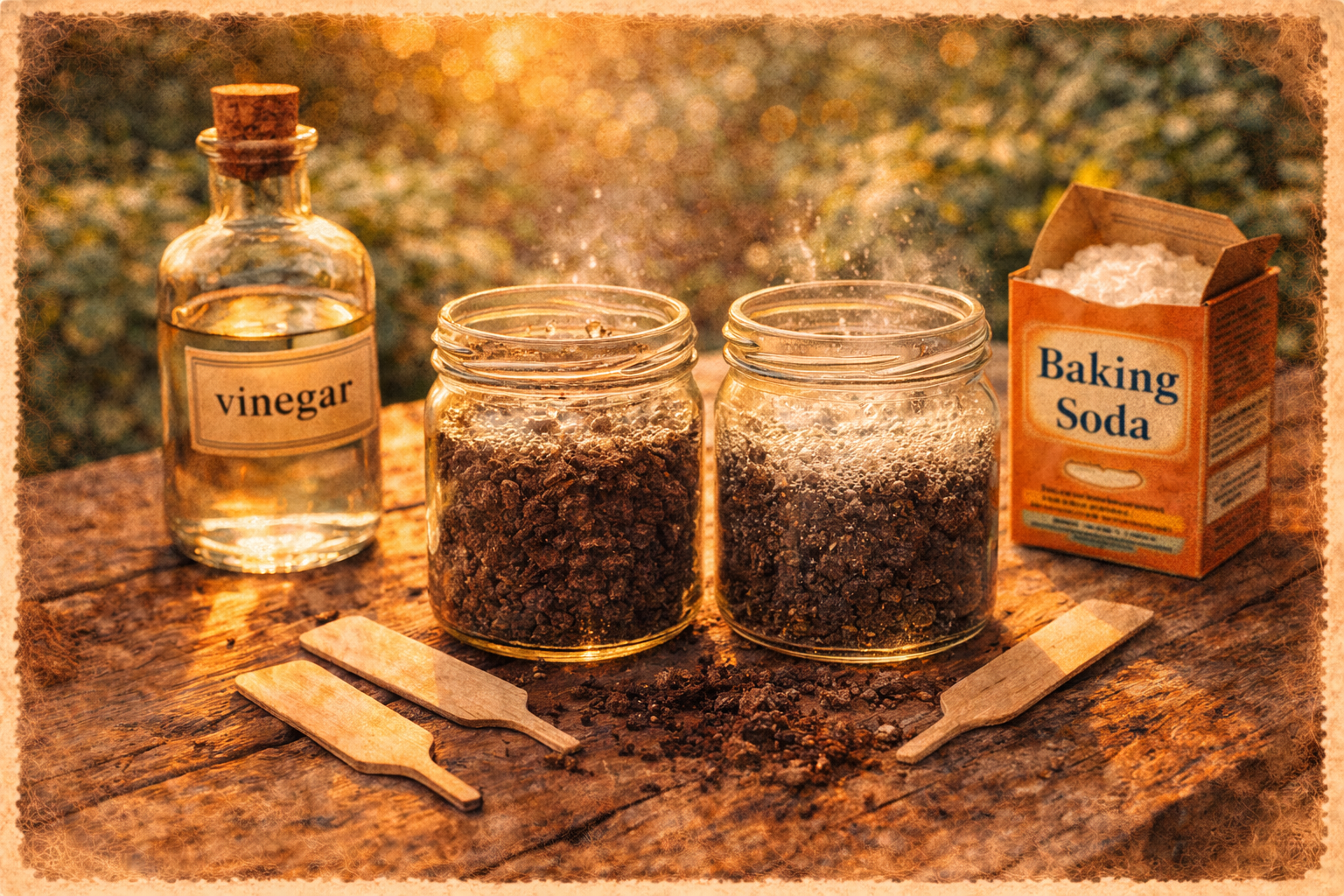
Take two soil samples from your garden (~2 tablespoons each). Place in separate containers.
Alkalinity test: Add apple cider vinegar or regular vinegar. If the soil foams vigorously — it's alkaline (pH above 7).
Acidity test: To the second sample add a tablespoon of baking soda and a little water. If the soil foams — it's acidic (pH below 7).
No reaction in either sample: soil is roughly neutral.
What to do with the results:
- Too acidic — add dolomitic lime or garden chalk
- Too alkaline — add garden sulfur or acidic bark
- For precision: a full pH test from the garden store (15–30 zł) is worth doing once a year
Vegetables and optimal pH:
- pH 6–7: tomatoes, peppers, cucumber, carrot, beans
- pH 5.5–6.5: potatoes, strawberries, raspberries
- pH 6.5–7.5: cabbage, leek, lettuce
zielnamanufaktura.pl
Photo Gallery 3