Pest-repelling plants — natural companionship that works
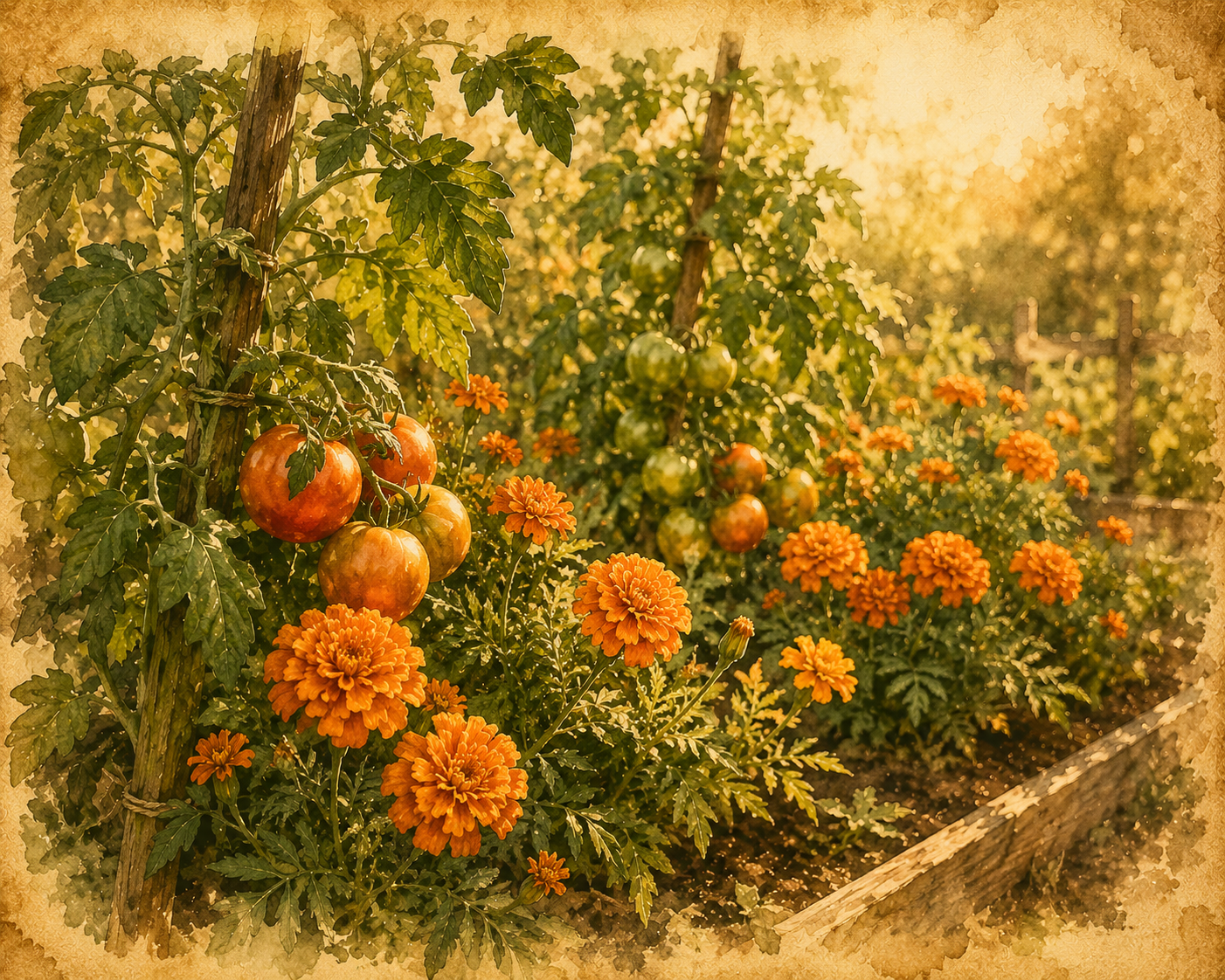
Pest-repelling plants — what to plant with what
This isn't gardening magic — it's chemistry. Plants release volatile organic compounds and root substances that repel specific pests or confuse their senses.
Proven combinations:
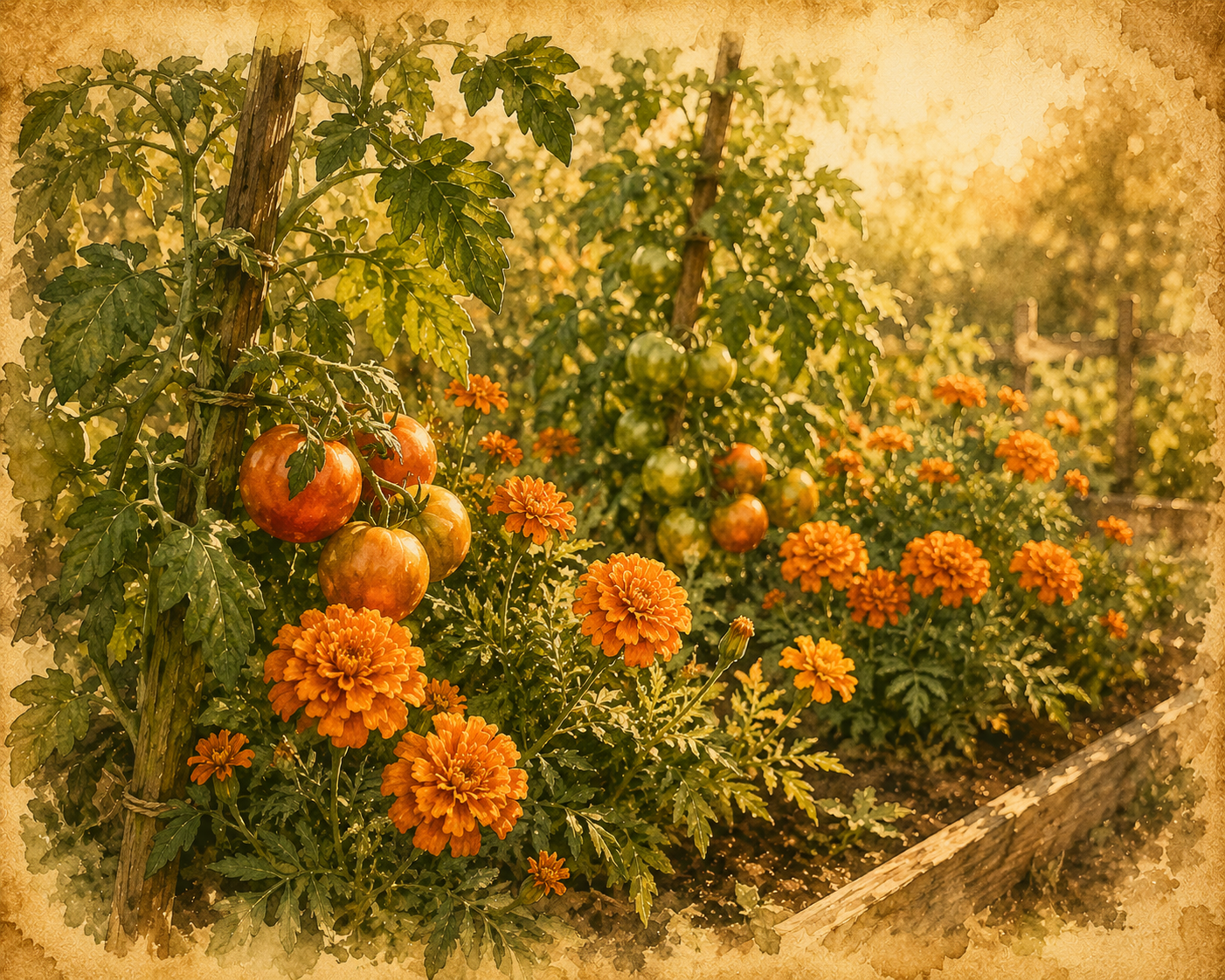
Marigold (Tagetes) + tomatoes, peppers
Marigold root secretions repel soil nematodes. The intense scent disorients aphids and whiteflies. Plant densely around the bed.
Dill + carrots
Dill repels carrot flies and attracts predatory insects that eat pests (lacewings, hoverflies). Note: dill near fennel and Florence fennel — they don't combine well.
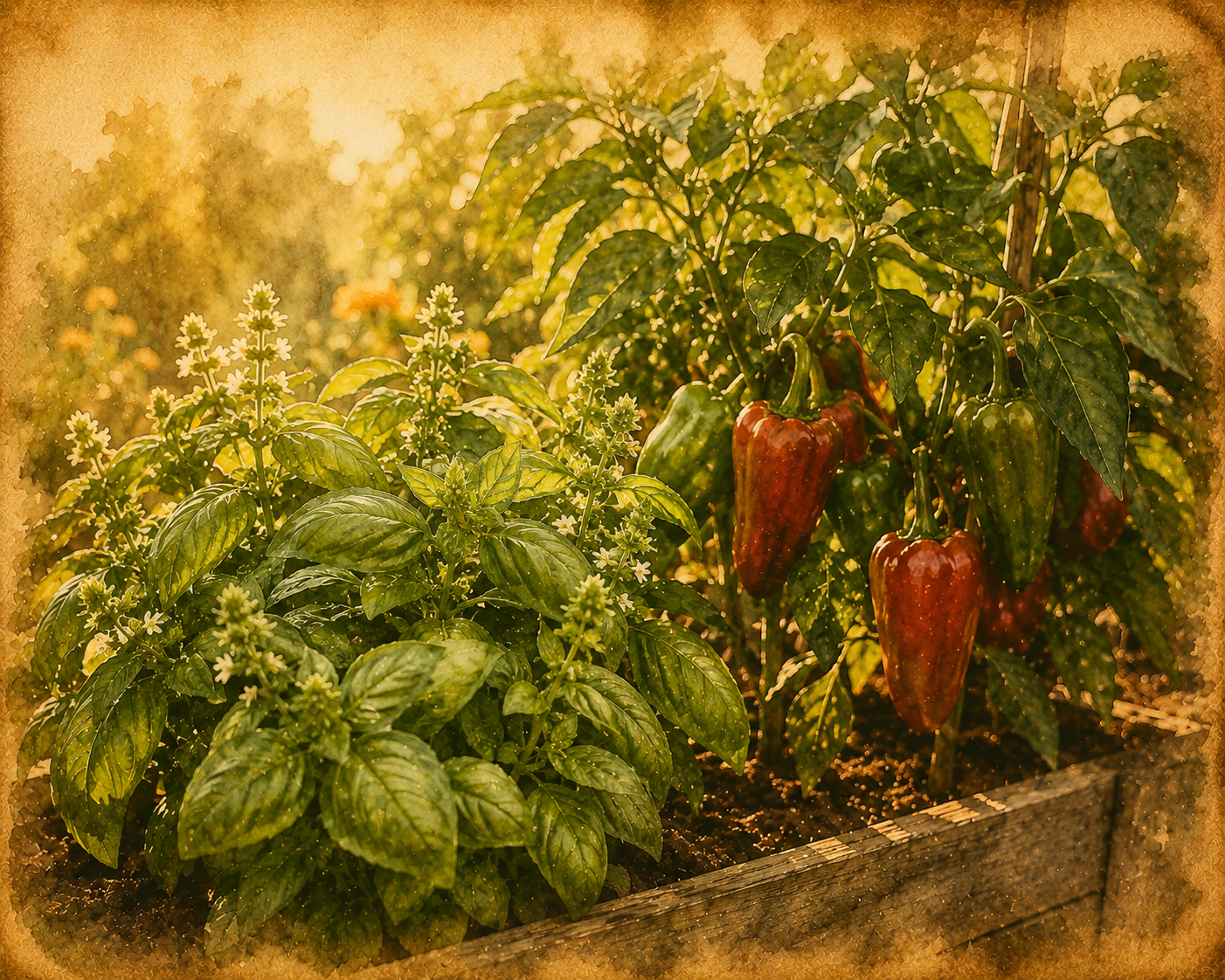
Basil + tomatoes, peppers
Basil's scent disorients aphids and whiteflies. Incidentally, many gardeners believe it improves tomato flavor (no scientific confirmation, but widely believed).
Mint + cabbage, broccoli
Mint's intense scent repels many insects. Caution: mint spreads aggressively — plant in containers or confined areas.
Garlic + roses, strawberries
Garlic's sulfur compounds repel aphids and fungi. Plant every few plants.
General rule:
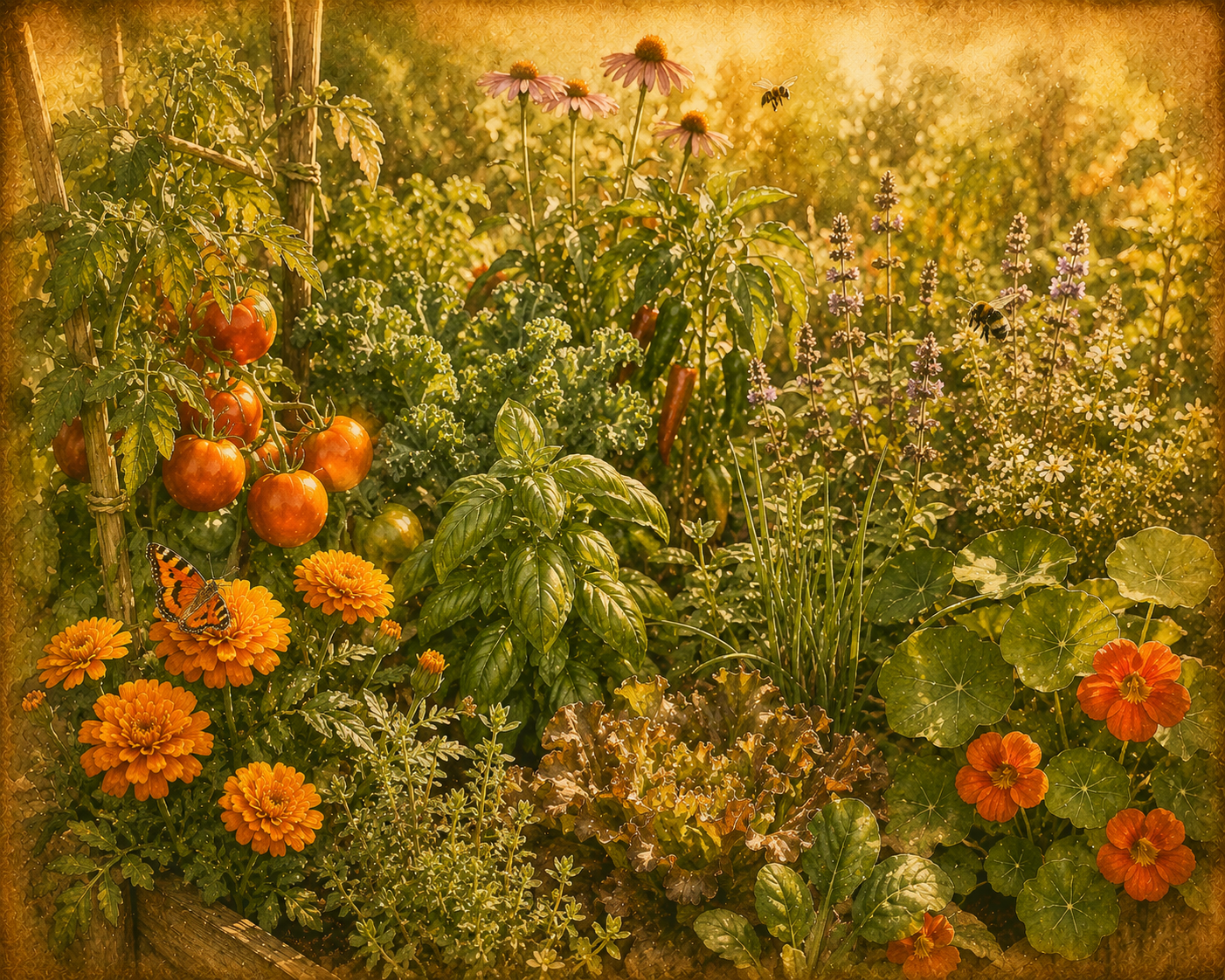
Monoculture cropping is an invitation for pests. A diverse bed with flowering herbs attracts predators and disorients pests.
zielnamanufaktura.pl
Galeria zdjęć 3