Soil Liming — When, How Much, and Why It's Important
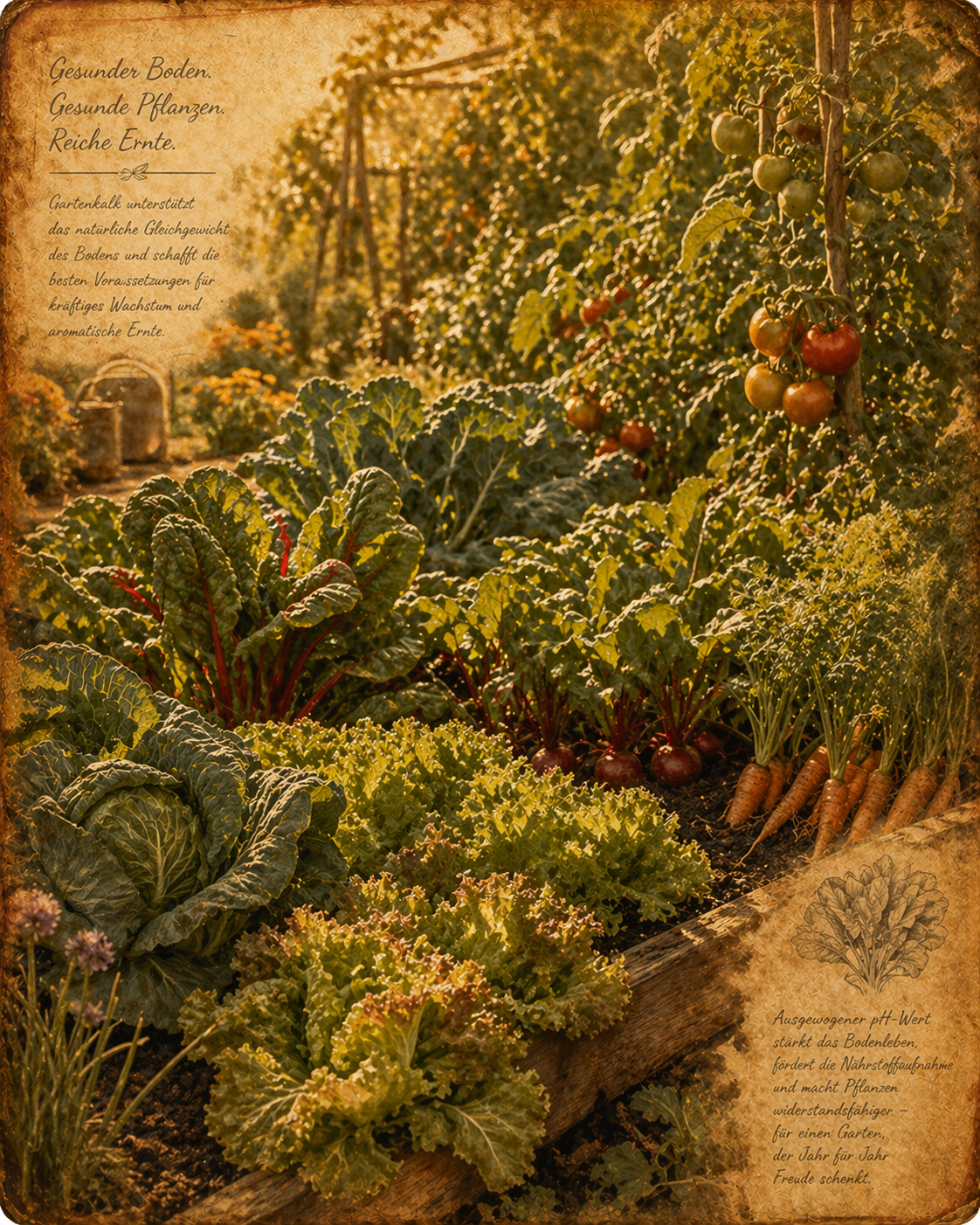
Liming — When Soil Needs Alkalizing
Polish soil tends to become acidic — due to acid rain, decomposition of organic matter, and ammonium fertilizers. Without intervention, pH gradually drops.
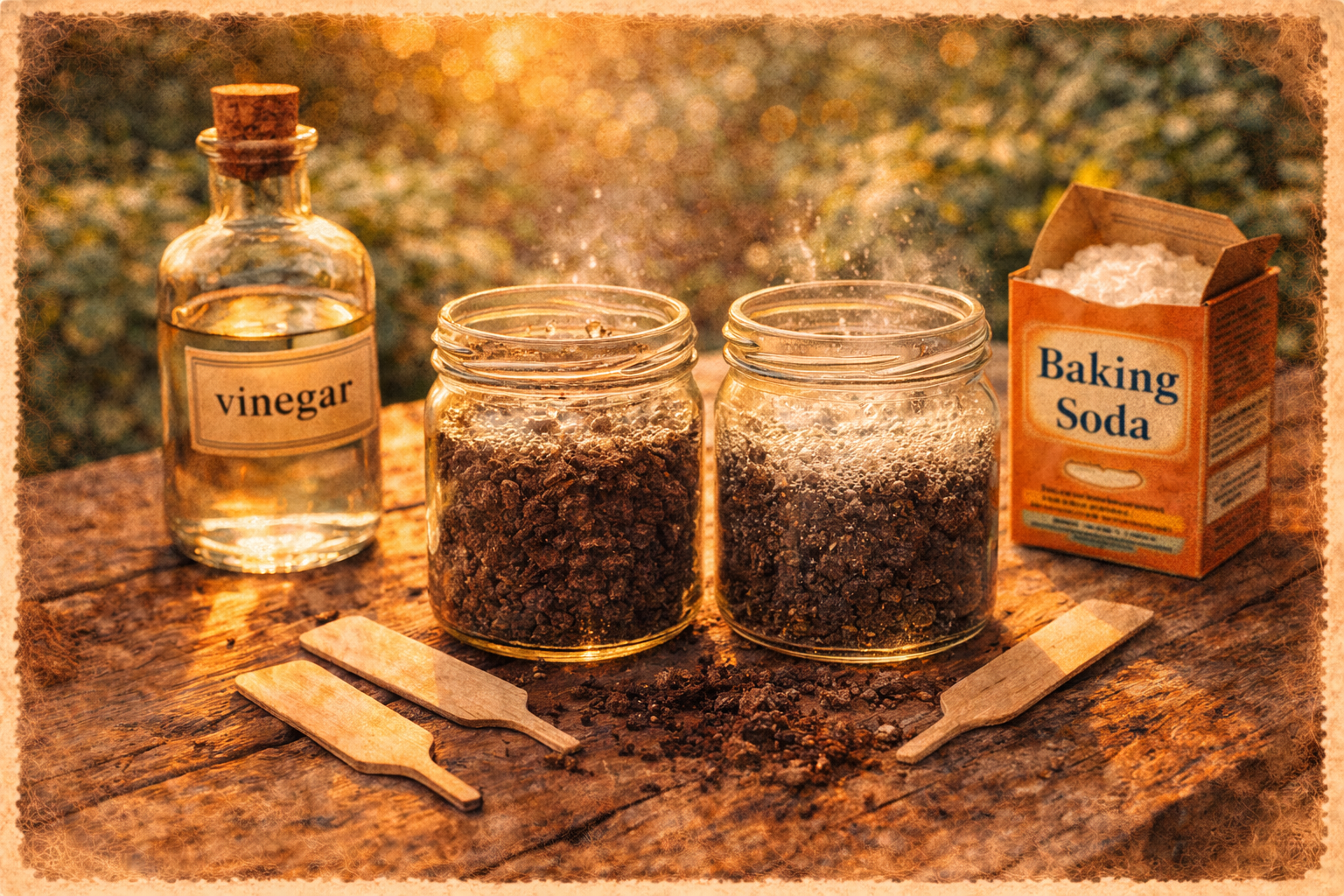
Problem: at pH below 5.5, plants cannot absorb calcium, magnesium, and phosphorus even if they're present in the soil in large quantities. You fertilize and nothing — nutrients are unavailable.
When to lime:
- When pH test shows values below 6 for vegetables
- When tomatoes or peppers show blossom end rot (calcium deficiency)
- Preventively every 3–4 years on intensively cultivated beds
What to use:
- Dolomitic lime CaMg — contains magnesium, safer choice, gradual action
- Ground limestone CaCO3 — faster action
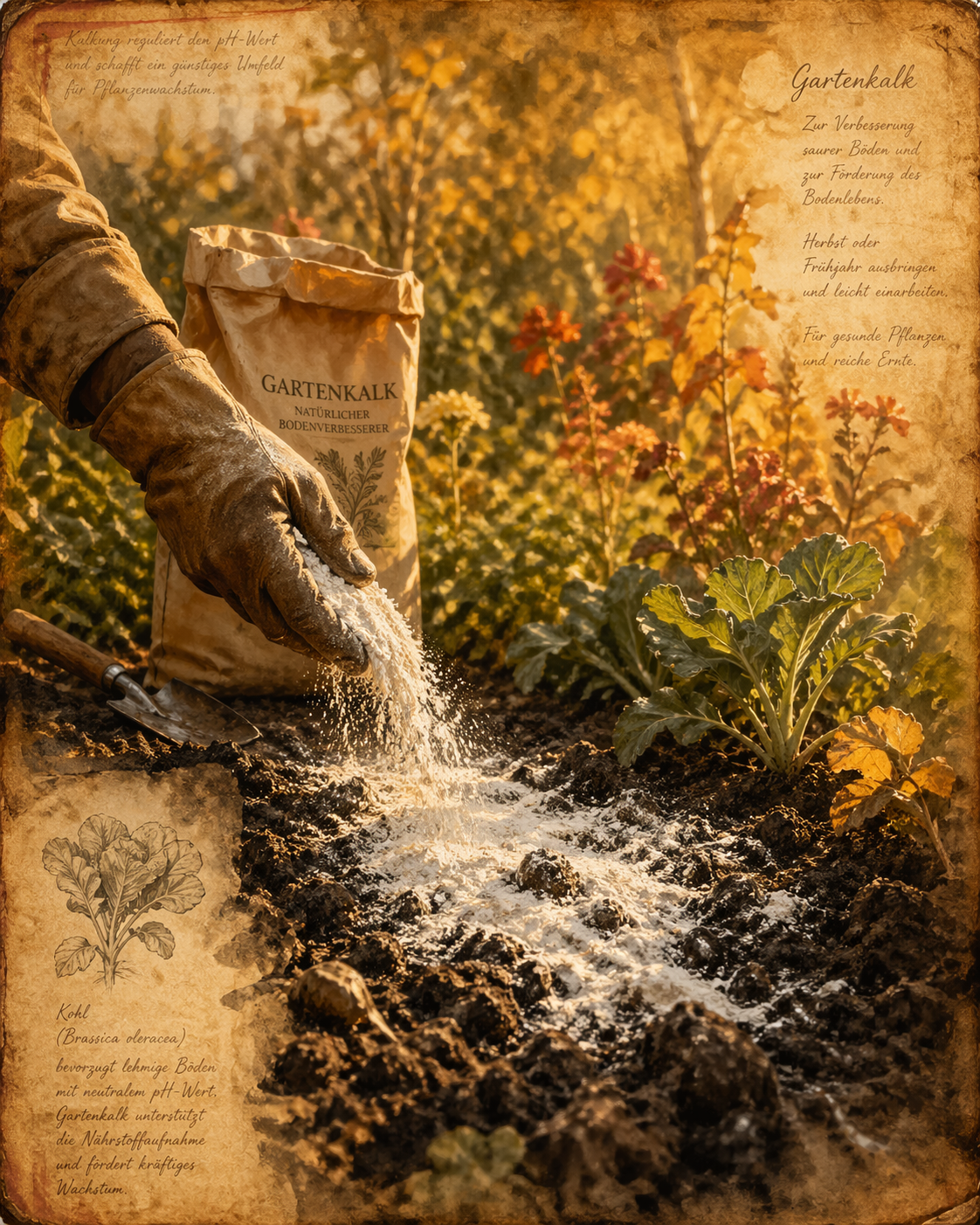
- Garden chalk — similar to dolomite, good for regular use
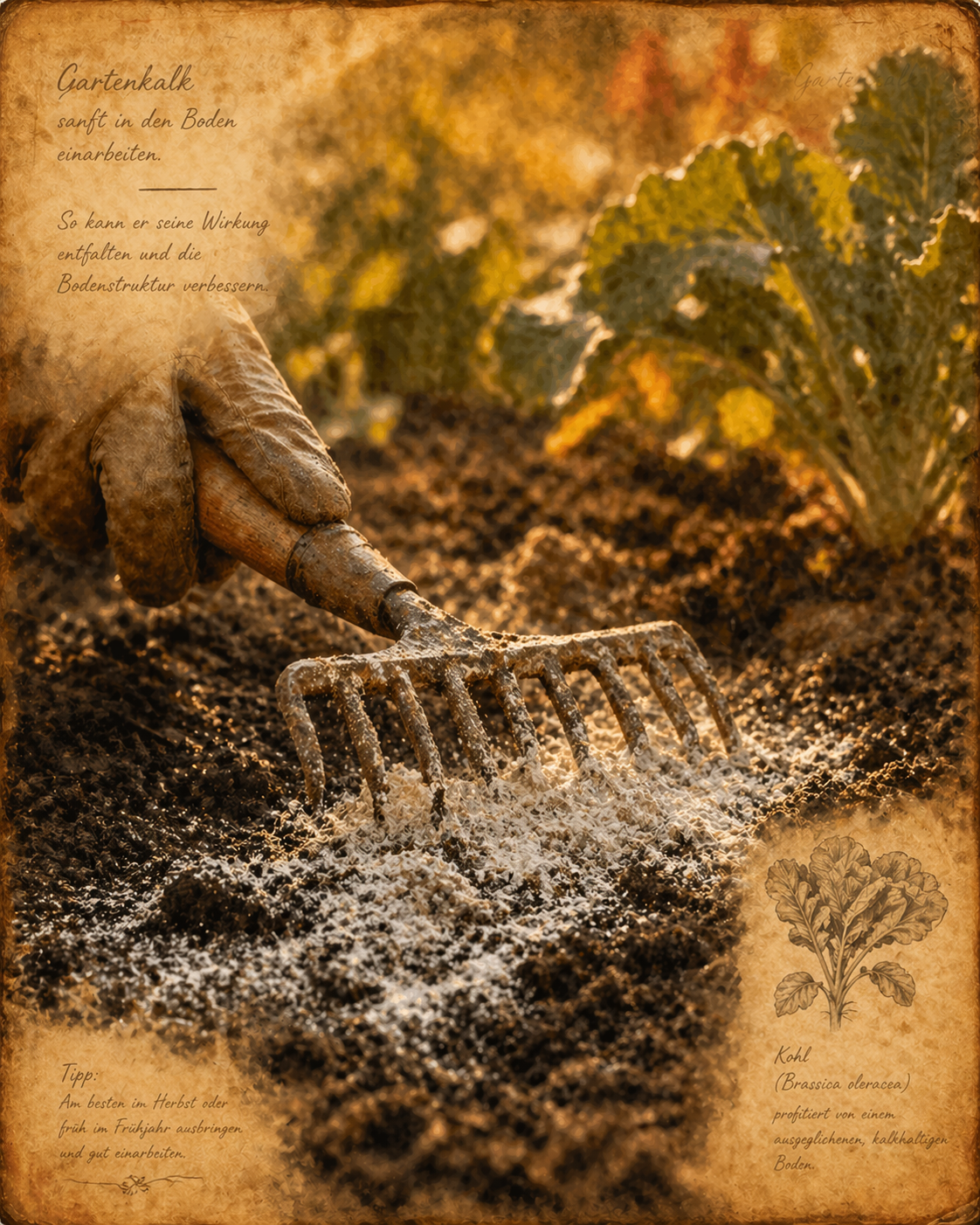
When: Best in autumn — lime has time to work before the season. In spring, minimum 4–6 weeks before sowing.
How much: ~150–200 g/m² of dolomitic lime for average soil at pH 5.5. Without a pH test, don't lime intuitively — overly alkaline soil is just as big a problem.
Important: Never simultaneously with nitrogen fertilizers — they react with each other and you lose fertilizer.
zielnamanufaktura.pl
Galeria zdjęć 3